
Who decides, who checks, and who answers for it.
A foundation asking the public to fund medical treatment should be able to say precisely how its decisions are made and who is accountable for them. This page sets that out, including the parts still being completed.
A board of trustees that governs, and a programme that reports to it.
SAS Dial Foundation is directed by a board of trustees. The trustees hold the foundation's purpose in trust: they set its strategy, approve its budget, appoint and oversee those running the programme day to day, and carry ultimate responsibility for everything done in the foundation's name.
The board meets quarterly, with additional meetings called when a decision cannot wait. Each meeting works through a standing agenda: programme performance, finances against budget, clinical quality and risk, fundraising, and any conflicts of interest declared for that meeting. Minutes are kept for every meeting and approved at the next.
Trustees serve without remuneration. They may be reimbursed for expenses actually incurred on the foundation's business, and those reimbursements are disclosed in the annual accounts.
- Quarterly board meetings, with decisions and dissent recorded in the minutes
- An annual review of strategy, budget and the foundation's own running costs
- A register of interests, reviewed at the start of every meeting
- Fixed terms of office, so the board refreshes rather than settles
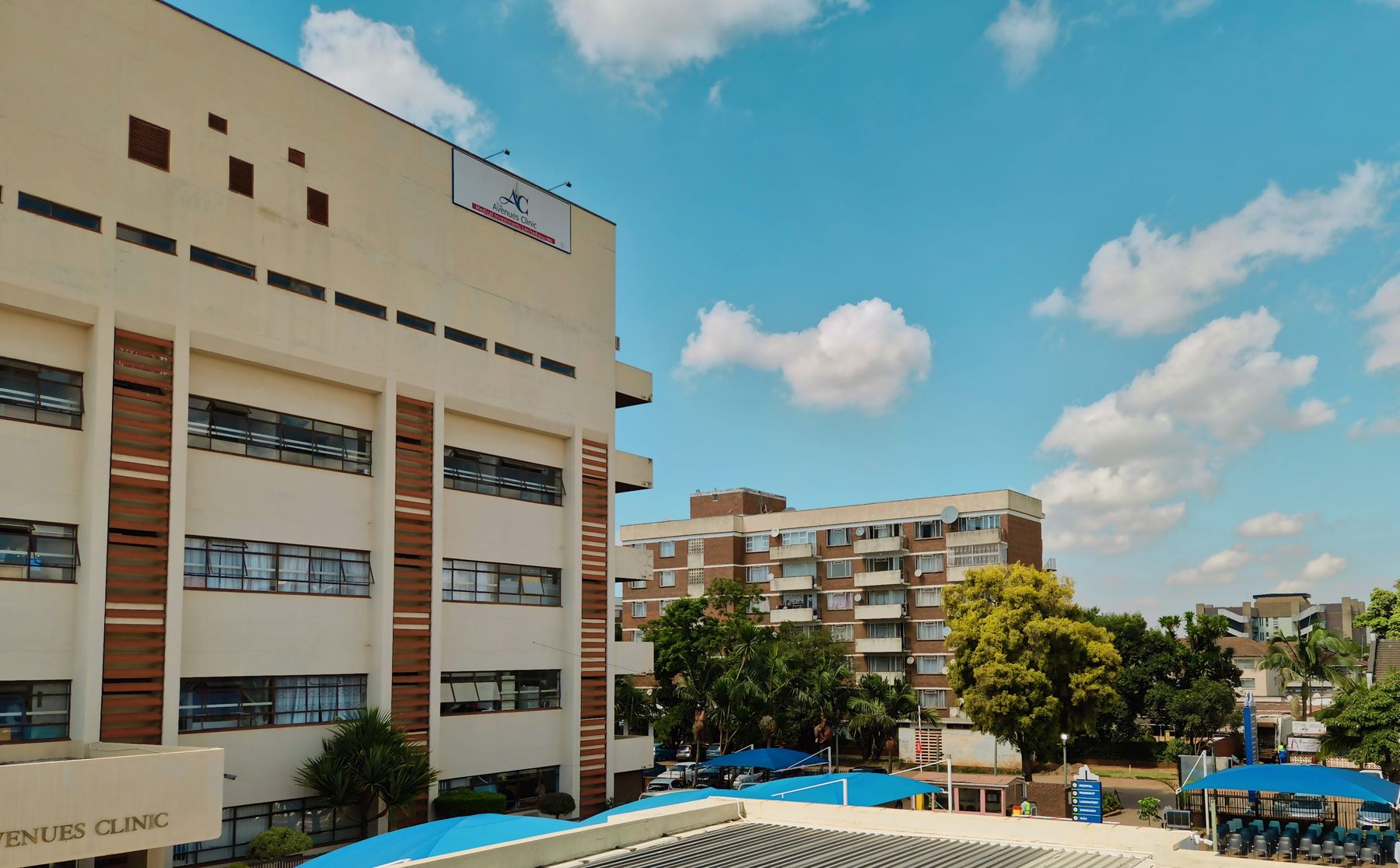
Seven roles. The names are being confirmed.
The structure below is the board the foundation is being constituted with. Trustees are in the process of being appointed, and each name is published here as the appointment is confirmed — rather than listed in advance.
[Name to be confirmed]
Leads the board, sets its agenda, holds the foundation to its purpose and represents it externally.
[Name to be confirmed]
Deputises for the Chair, and takes the lead on board development and trustee recruitment.
[Name to be confirmed]
Oversees financial management, presents the accounts to the board and signs off every published financial figure.
[Name to be confirmed]
Keeps the records, convenes meetings, maintains the register of interests and handles statutory filings.
[Name to be confirmed]
Advises the board on clinical standards, reviews quality reporting from the programme and chairs the clinical quality committee.
[Name to be confirmed]
Brings independent judgement to the board, with a particular focus on fundraising and partnerships.
[Name to be confirmed]
Brings independent judgement to the board, with a particular focus on community representation and patient perspective.
Interested in serving?
The board is actively looking for trustees with finance, legal, clinical governance or fundraising experience.
Put yourself forwardThree committees do the detailed work.
A quarterly board cannot examine everything properly. Each committee reports to the board with findings and recommendations, and keeps its own minutes.
Finance and audit
Reviews management accounts, income against budget and the reserves position; oversees the annual audit or independent examination; tests that restricted funds were spent on their stated purpose; and reviews the schedule of payments made to or received from any related party.
Clinical quality
Reviews the clinical reporting from the programme — dialysis adequacy, infection control, machine and water treatment maintenance, adverse events and complaints — and satisfies the board that subsidised patients receive the same standard of care as any other.
Fundraising
Oversees appeals, partnerships and donor care; checks that no fundraising claim outruns what the programme can evidence; and approves the wording of published reporting before it is issued.
The commitments we are prepared to be held to.
Registration status
SAS Dial Foundation is in the process of being established as an independent legal entity. Its registration number is [registration number to be confirmed], and it is published here and in the footer of our documents as soon as it is issued. We do not describe ourselves as registered before that is true.
Financial controls
Separate bank accounts held in the foundation's own name; two authorised signatories on every payment above a threshold set by the board; a budget approved annually and monitored quarterly; restricted funds tracked separately from general funds; and an annual independent examination of the accounts.
Conflicts of interest
A register of interests is maintained and reviewed at the start of every board meeting. Any trustee with an interest in a matter declares it, withdraws from the discussion and does not vote. Because the clinical partner is a related organisation, every transaction with it is treated as a related-party transaction and disclosed.
Safeguarding and patient confidentiality
The foundation adopts a safeguarding policy covering everyone acting in its name, including volunteers and visitors to the clinic. Patient information stays with the clinical team; the foundation receives aggregate figures. No patient is identified in any material without their written consent.
Complaints
Anyone can raise a concern about the foundation's conduct in writing to the Chair through our contact page. Complaints are acknowledged, investigated, answered in writing and reported to the board in summary, including any that were upheld.
Documents on request
The governing document, the annual report and accounts, and the foundation's principal policies are available on request once adopted. We would rather send them to somebody who asks than have anyone rely on a summary on a web page.
SAS Lweza Clinic: close in purpose, separate in law.
The renal clinic and haemodialysis programme was launched and hosted by SAS Lweza Clinic, a fully licensed medical facility in Seguku operating since 2012, and treatment continues to be delivered there. The two organisations are deliberately distinct, and the distinction is worth stating plainly.
- Separate legal entities. The clinic is a business. The foundation is a charitable body with its own registration, board, accounts and auditors. Neither controls the other's finances.
- Clinical authority sits with the clinic. Which patients need dialysis, on what schedule, is a clinical judgement made by clinicians. The foundation does not direct treatment.
- Funding is at arm's length. The foundation pays for subsidised treatment on agreed terms, against records of sessions actually delivered, like any other funder.
- Related-party discipline. Any trustee connected to the clinic declares that interest and takes no part in decisions about the funding relationship, which is disclosed in the accounts.
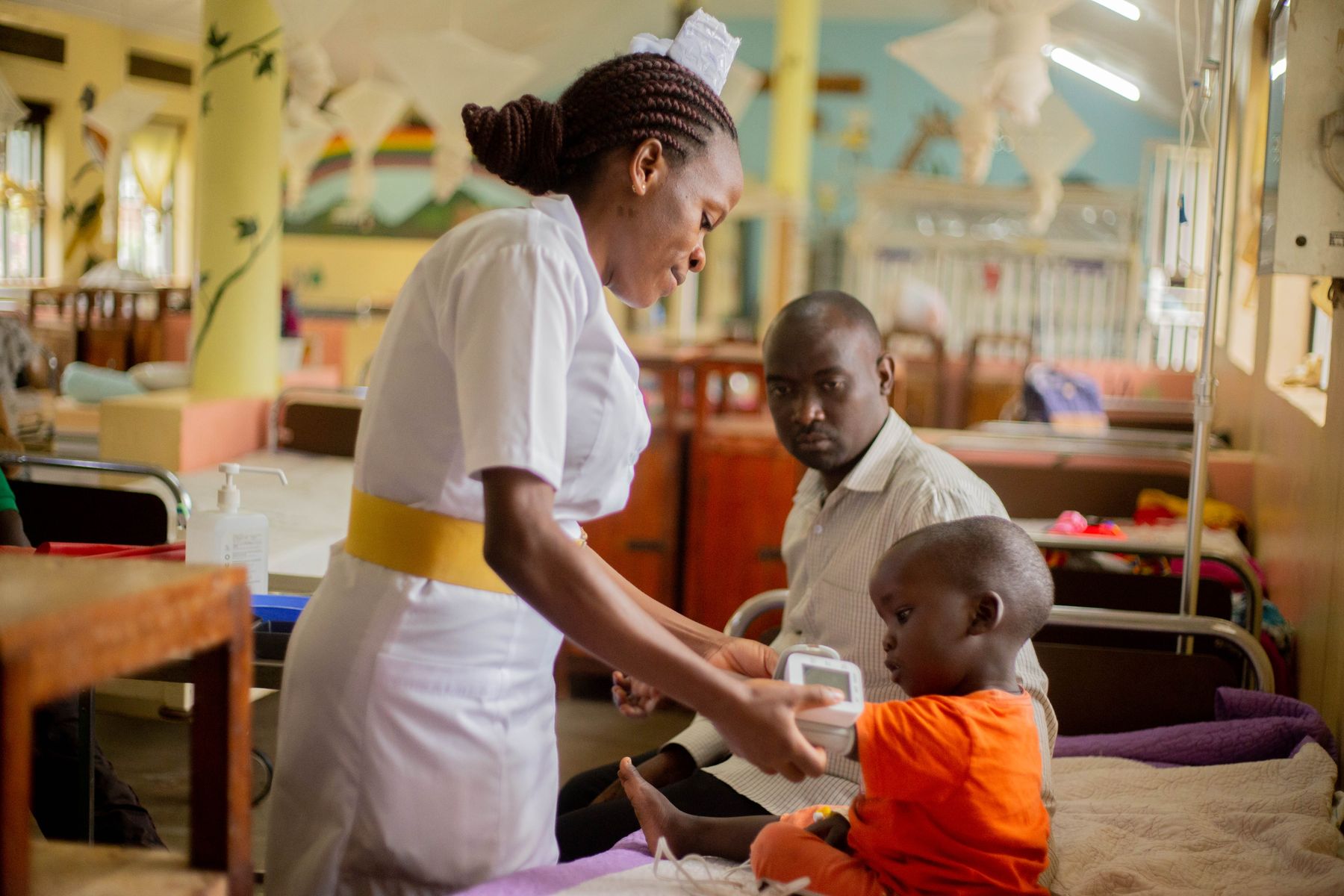
Where something is not yet finished, this site says so. A blank we will fill in is worth more to you than a claim you cannot check.
The foundation's disclosure standardQuestions for the board are welcome.
If you are considering a significant gift or a partnership and want to speak to a trustee first, ask — that is what they are there for.