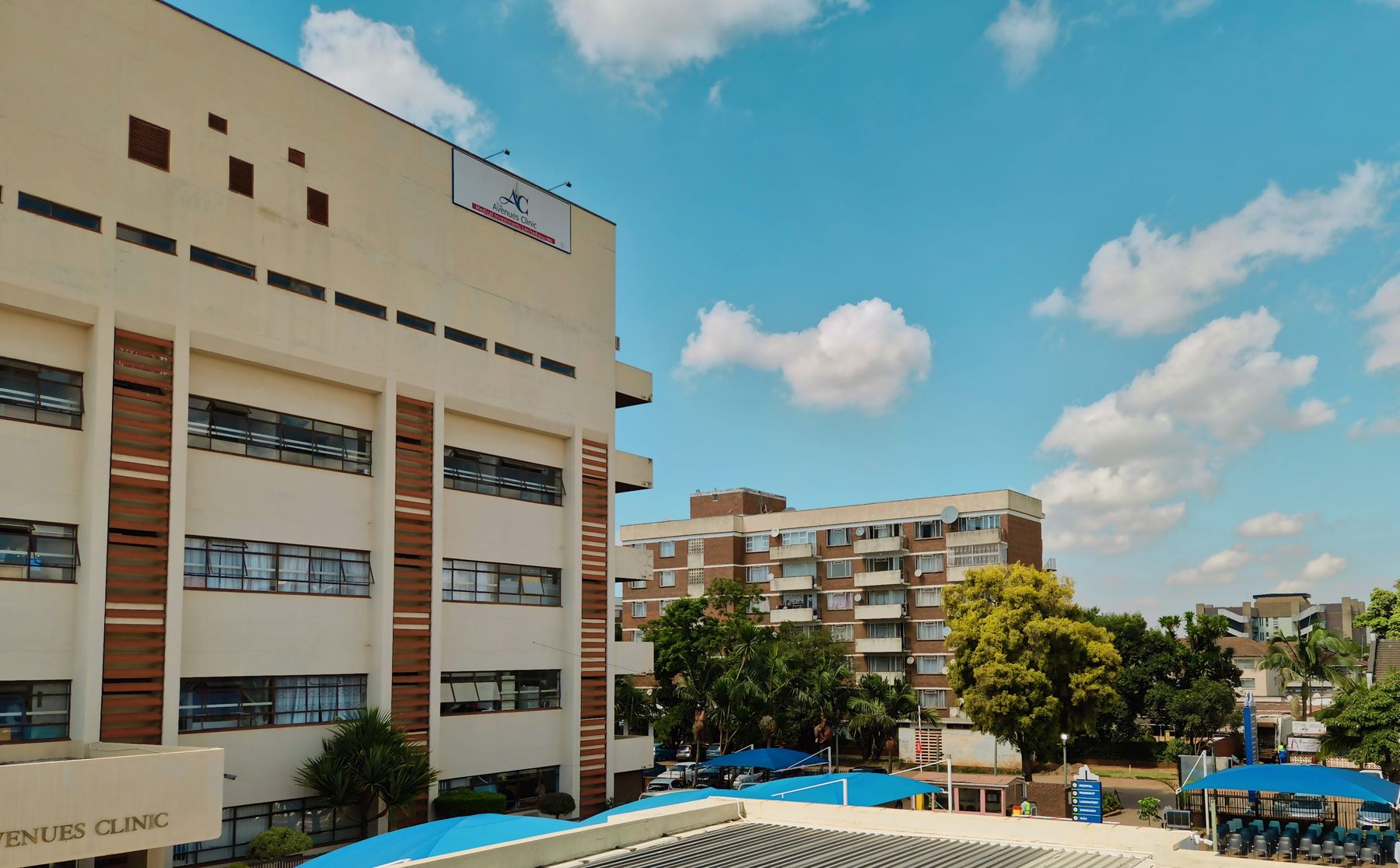
A renal programme that grew up inside a clinic, and now stands on its own.
SAS Dial Foundation is being established to carry forward the high-risk renal clinic and haemodialysis programme launched at SAS Lweza Clinic — with its own registration, its own board and its own accountability to donors and patients.
It began because patients were being turned away by arithmetic.
SAS Lweza Clinic, a fully licensed medical facility operating since 2012, opened a high-risk renal clinic and haemodialysis programme to serve patients across Uganda. The clinical need was never in question. What limited the programme was not machines or skill, but the simple fact that a course of dialysis costs more than most Ugandan families can hold together, week after week, indefinitely.
The clinic hosted the programme, funded it out of its own operations, and kept it open. That was the right thing to do, and it was never going to be enough on its own. A business can subsidise treatment out of goodwill; it cannot invite the public, a grant-maker or a diaspora congregation to fund a programme sitting on its own balance sheet and expect them to see clearly where the money went.
So the programme is being given its own home. SAS Dial Foundation takes the renal clinic, the screening work and the dialysis subsidy, and places them in an independent organisation with a board, a set of published commitments and one purpose: to keep patients on treatment.
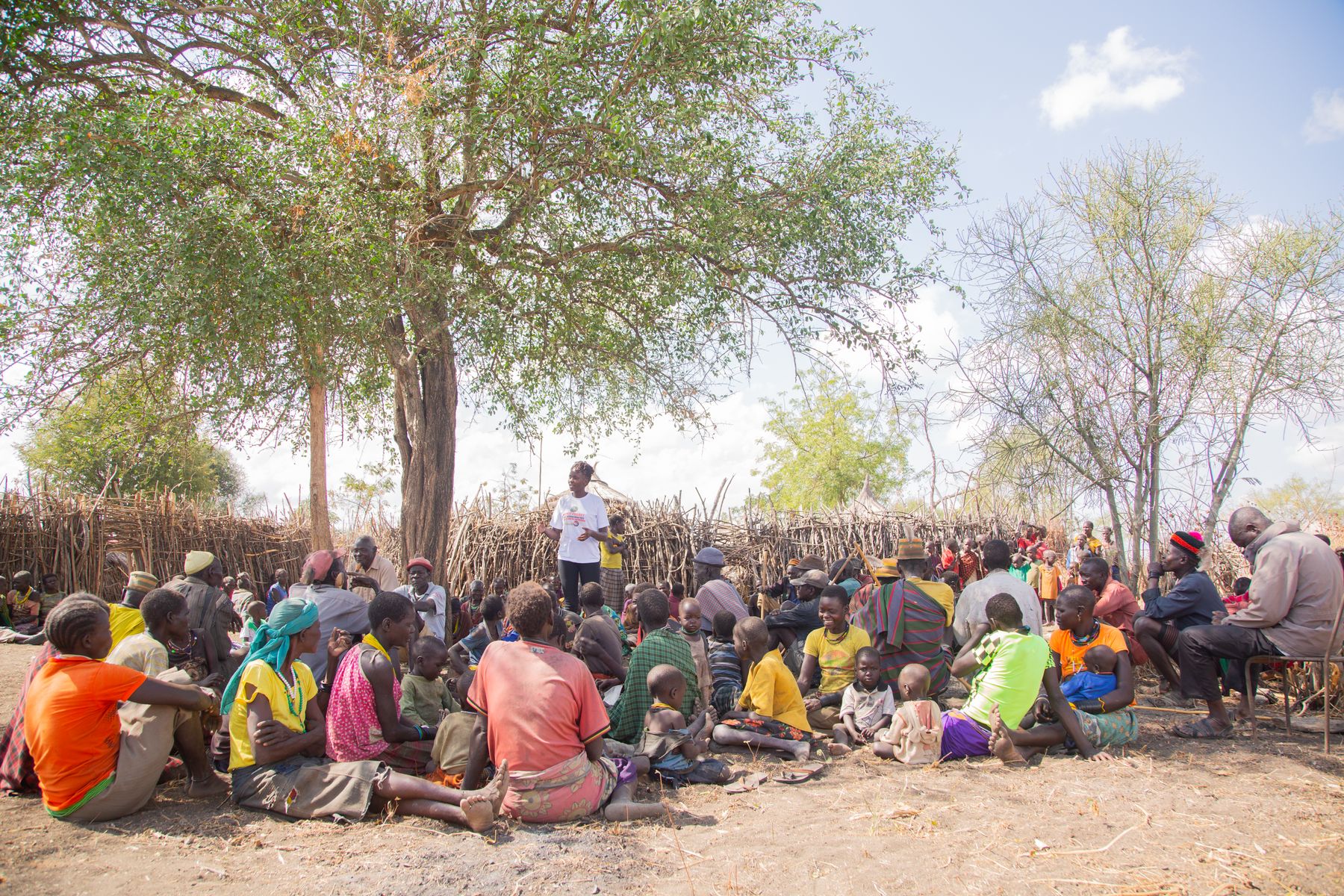
Independence is not paperwork. It is how trust is earned.
Three things change the moment the programme has its own legal identity — and all three matter to the person deciding whether to give.
Money with one destination
Funds raised for dialysis sit in the foundation's own accounts and can only be spent on the programme. They are not mixed with the trading income of a clinic, and they are not available for anything else.
A board that can say no
Trustees who are accountable to the foundation, not to the clinic, decide what is funded, review clinical quality and sign off the accounts. Oversight only counts when the people holding it are able to refuse.
A programme that can outlive anyone
Constituted in its own right, the programme is no longer dependent on the fortunes of a single business. It can attract grants, hold restricted funds and plan beyond the current year.
Our vision
A Uganda in which no one loses their life to kidney failure because treatment was out of financial reach.
Kidney failure is not rare, and it is not untreatable. What makes it fatal here is the distance between a diagnosis and a sustained course of care. We want that distance closed — for the labourer and the smallholder as surely as for the salaried.
Our mission
To fund, sustain and grow a renal programme that finds kidney disease early and keeps patients on the treatment that holds it.
We do that by subsidising haemodialysis for patients who cannot meet the cost, by taking chronic disease screening out into the community, by supporting specialist nephrology care, and by reporting honestly on every part of it.
Six commitments, written to be checked against.
A value that cannot be tested is decoration. These are written so that a patient, a donor or a trustee can hold us to them.
Dignity first
A patient who cannot pay is a patient, not a case. Subsidised treatment is delivered in the same room, on the same machines, by the same clinicians, with no separate queue and no public marking of who paid what.
Access before expansion
Before we add a new service, we ask whether the patients already diagnosed are receiving the sessions they need. Reach is the first measure of success; breadth of offering comes second.
Clinical standards we will not trade
Affordable is not a lower grade of care. Water treatment, machine maintenance, infection control and staffing levels are set by clinical need and are not adjusted to stretch a budget line.
Transparency by default
We publish what we raised, what it funded and what it cost to run. Where a figure is not yet available, we say so rather than round it upward.
Partnership over duplication
Where a licensed facility, a specialist or a community organisation is already doing the work well, we fund and strengthen it rather than building a parallel version of it.
Stewardship of every shilling
Gifts are held as a trust, not as income. Restricted funds go where they were given, administration is kept lean and deliberate, and every cost is one a trustee can defend.

A clinical partner, an independent board and an open ledger.
The foundation does not attempt to be a hospital. It is the funding and governance body standing behind a programme delivered by clinicians in a licensed facility. Three parts, each with a defined job.
- Clinical partnership. Treatment is delivered at SAS Lweza Clinic in Seguku, a licensed facility operating since 2012, by its renal team. Clinical decisions belong to clinicians.
- Independent governance. The foundation's trustees set policy, approve the budget, review clinical quality reports and hold the relationship with the clinic at arm's length.
- Donor transparency. Giving is tied to defined units of treatment, and reporting says how many were funded, for how many patients, at what cost.
We are not asking anyone to believe in a promise. We are asking them to pay for a session of dialysis, and then we will tell them whose week it changed.
The case for SAS Dial FoundationThe programme is running. What it needs is a wider base.
Patients are being treated today. Every additional sponsor is an additional patient who is not sent home to wait.