
Four ways to keep a patient on treatment.
Give, partner, volunteer or fundraise. Each of them ends in the same place: a session of dialysis that happens for somebody who could not have paid for it.
Sponsorship is priced in treatments.
There is no general fund to disappear into. Each level of giving corresponds to a defined amount of dialysis for a patient who cannot meet the cost.
A one-off gift
The simplest way in. A single gift at any level is applied to the sessions of patients on the subsidy list, and you are told what it funded in the next quarterly update.
One-off giving suits a response to an appeal, a gift made in someone's memory, or a first step taken before committing to anything regular.
A monthly sponsorship
Far more useful to the programme, because dialysis is a schedule rather than an event. A regular commitment lets the clinical team plan a patient's course knowing the sessions are covered.
Monthly sponsors receive the quarterly programme update and the annual report, and can ask at any time how their sponsorship has been applied.
Underwrite a block of treatment in your organisation's name.
Partnership is for organisations that can carry more than an individual gift and want a defined, reportable piece of the programme: a screening outreach, a month of dialysis for a named number of patients, or a piece of equipment the unit needs.
We work with four kinds of partner, and the conversation is slightly different with each.
- Companies. Corporate social responsibility budgets, staff matched-giving schemes and payroll giving, or the sponsorship of a single outreach event.
- Congregations. Churches, mosques and faith groups whose members give collectively and who often reach the households most affected.
- Diaspora groups. Ugandan associations abroad who want their giving to land on treatment at home and to be accounted for properly.
- Health organisations. Hospitals, clinics, professional bodies and NGOs who can refer patients, share clinical capacity or join screening work.
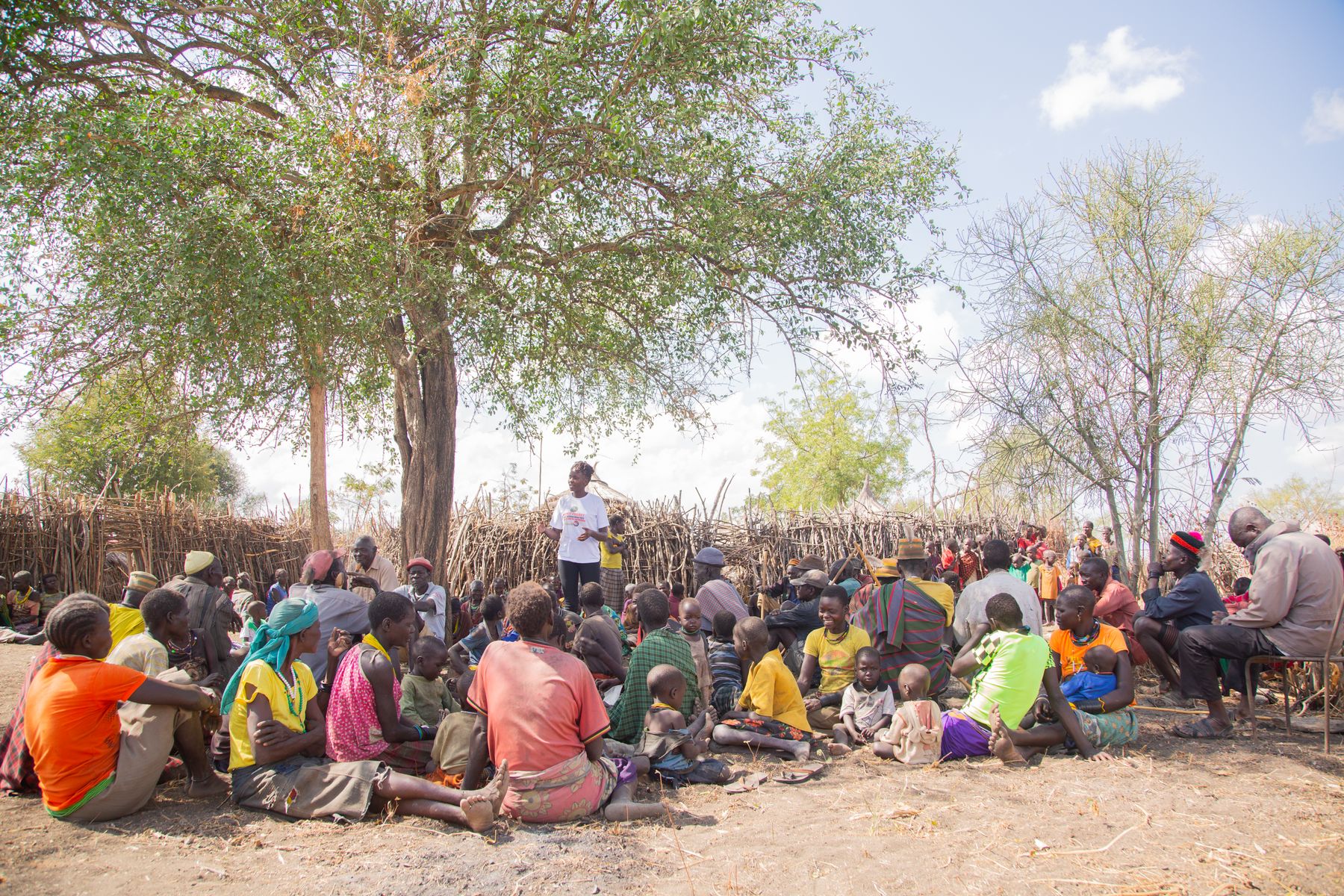
What a partner receives
- A written partnership note setting out exactly what the funds will support
- Reporting against that specific commitment, not only the general programme figures
- Acknowledgement on this site and in the annual report, where the partner wants it
- An invitation to visit the clinic and see the unit in operation
- A named contact at the foundation for the life of the partnership
What we ask of a partner
- A commitment over a defined period, so the programme can plan against it
- Agreement that funds are applied to treatment and screening, not to promotion
- Respect for patient confidentiality in anything published about the partnership
- Acceptance that clinical decisions remain with the clinical team
- A named contact on your side who can answer questions about the arrangement

Clinical hands and non-clinical hands are both short.
A renal programme needs specialists at the machine and it needs people who can write a funding application, keep a donor list straight and sit on a board. Both are volunteering, and the second kind is usually harder to find.
If you have the skills below, or something adjacent to them, we would like to hear from you — whether you are in Uganda or working with us from abroad.
Clinical roles
- Nephrologists — consultations, review clinics, treatment planning and case discussion with the renal team.
- Renal nurses — dialysis sessions, patient education and mentoring of nursing staff new to renal work.
- Dialysis technicians — machine maintenance, water treatment and the technical standards the unit depends on.
- General clinicians and laboratory staff — screening outreach days in the community.
Non-clinical roles
- Fundraising — grant research and writing, donor care, and building the regular-giving base.
- Communications — writing, photography, translation and the quarterly programme update.
- Trustees — board members with finance, legal, clinical governance or fundraising experience.
- Administration — record keeping, logistics for outreach days, and the unglamorous work that keeps a programme running.
Raise it where you are.
You do not have to be able to write the cheque yourself. Bringing forty people together to fund forty sessions is worth as much as any single gift.
At work
A workplace appeal, a payroll-giving scheme or a sponsored challenge, ideally matched by your employer. Tell us the target and we will give you the treatment figures to build it around.
In your community
A congregation collection, a school project or a community event. Screening outreach in a particular area is an especially good thing for that area's own people to fund.
For an occasion
Birthdays, weddings, anniversaries and memorials. Gifts made in memory of someone lost to kidney disease can be reported back to the family as sessions funded.
The things people ask before they give.
Does my gift really go to treatment?
Sponsorship is applied to the dialysis sessions of patients on the subsidy list. The foundation's own running costs are reported separately in the annual accounts, so you can see exactly what proportion they are rather than taking a claim on trust.
Can I give to one named patient?
No. Patients are selected on clinical and financial need by the clinical team, and their identities are confidential. You can restrict a gift to a purpose — dialysis, screening, equipment — but not to a person.
Can I give from outside Uganda?
Yes. A significant part of the support this programme needs will come from Ugandans abroad and from international partners. Write to us and we will confirm the current arrangement for international gifts.
Will I hear what happened?
Yes. Regular donors and partners receive the quarterly programme update and the annual report, and you can ask at any point how your sponsorship has been applied.
Is my gift tax deductible?
The foundation's registration and its tax status are being completed, and we will not claim a relief before it is confirmed. Ask us at the time of giving and you will get the current position, in writing.
Can I stop a monthly sponsorship?
At any time, with no explanation required. Tell us and it stops. We would rather you gave for as long as it suits you than felt tied into something you had outgrown.
Start with one session. It is the whole model.
Tell us the level and whether it is one-off or monthly, and we will handle the rest.